




Geometry resources that help children explore 2D shapes, 3D solids and symmetry with their hands. From pattern blocks and geoboards to GeoStix®, for early years and primary.







Geometry toys: your questions answered
Shapes are everywhere, and geometry toys help children spot, build and compare them. Our 2D and 3D shapes toys range from first shapes at 18 months to angles, symmetry and volume.
What are the best 3D shapes toys for children?
Busy Play® Translucent Geo Solids: new for 2026, 40 pieces in 9 shapes and 4 colours for stacking and building, with downloadable activity cards, from 3 years
Wooden Geometric Solids: 15 shapes in natural wood, from 3 years
Geometric Solids: 12 solids in 6 colours, from 4 years
10cm Geometric Solids: 17 large shapes in 6 colours, from cones and spheres to prisms and pyramids
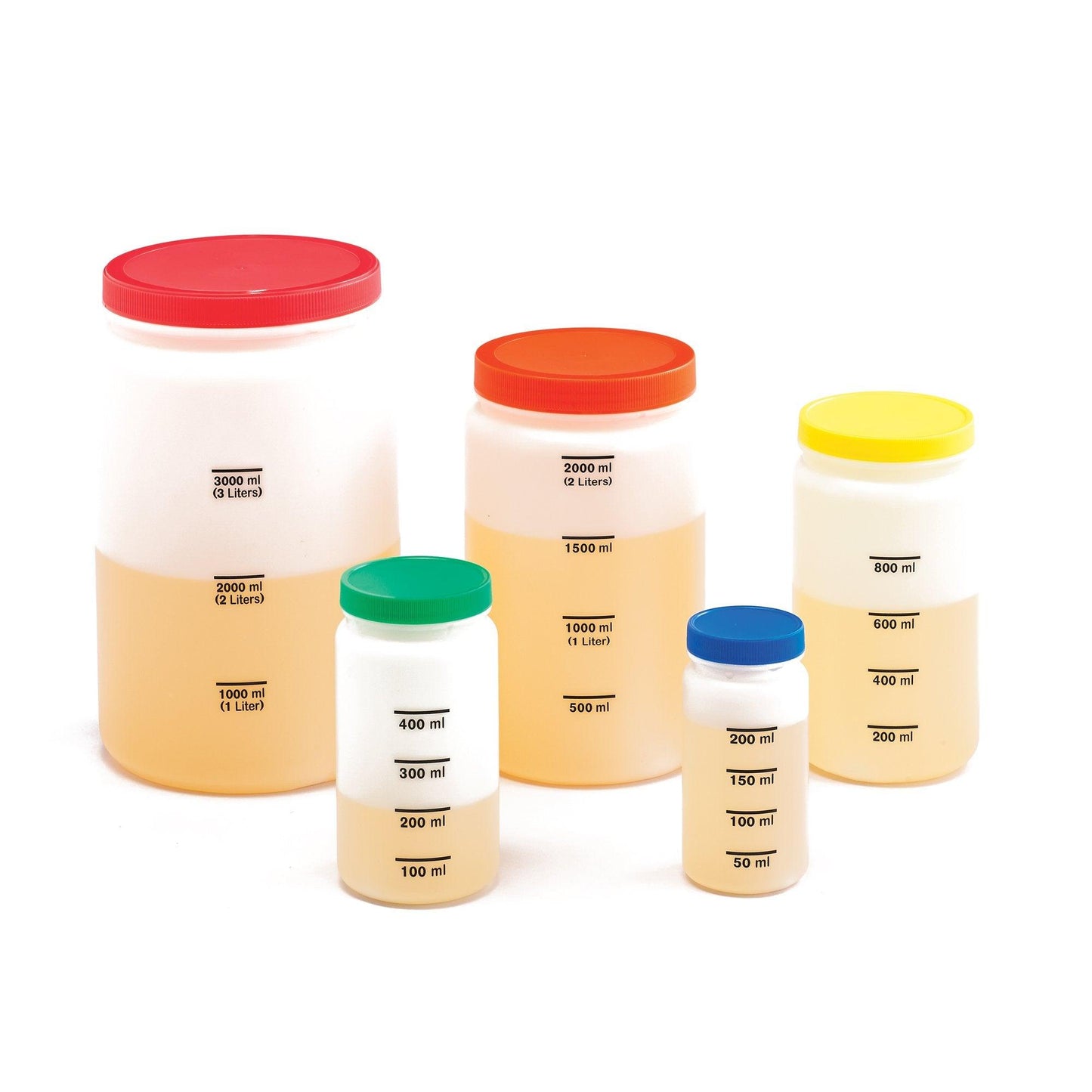
Geometric Volume set: 14 hollow 3D shapes with lids for exploring volume, from 8 years
Which pattern blocks should I choose?
Sensory Pattern Blocks: 60 textured pieces, from 18 months
Busy Play® Pattern Blocks: 60 pieces in 6 colours and 15 activity cards for travel, from 3 years
Translucent Pattern Blocks: 245 shapes for light panel play, from 3 years
Plastic Pattern Blocks: 250 pieces, from 4 years
Green-n-Learn® Pattern Blocks: 250 pieces made from recycled plastic, from 4 years
Which geometry toys suit toddlers?
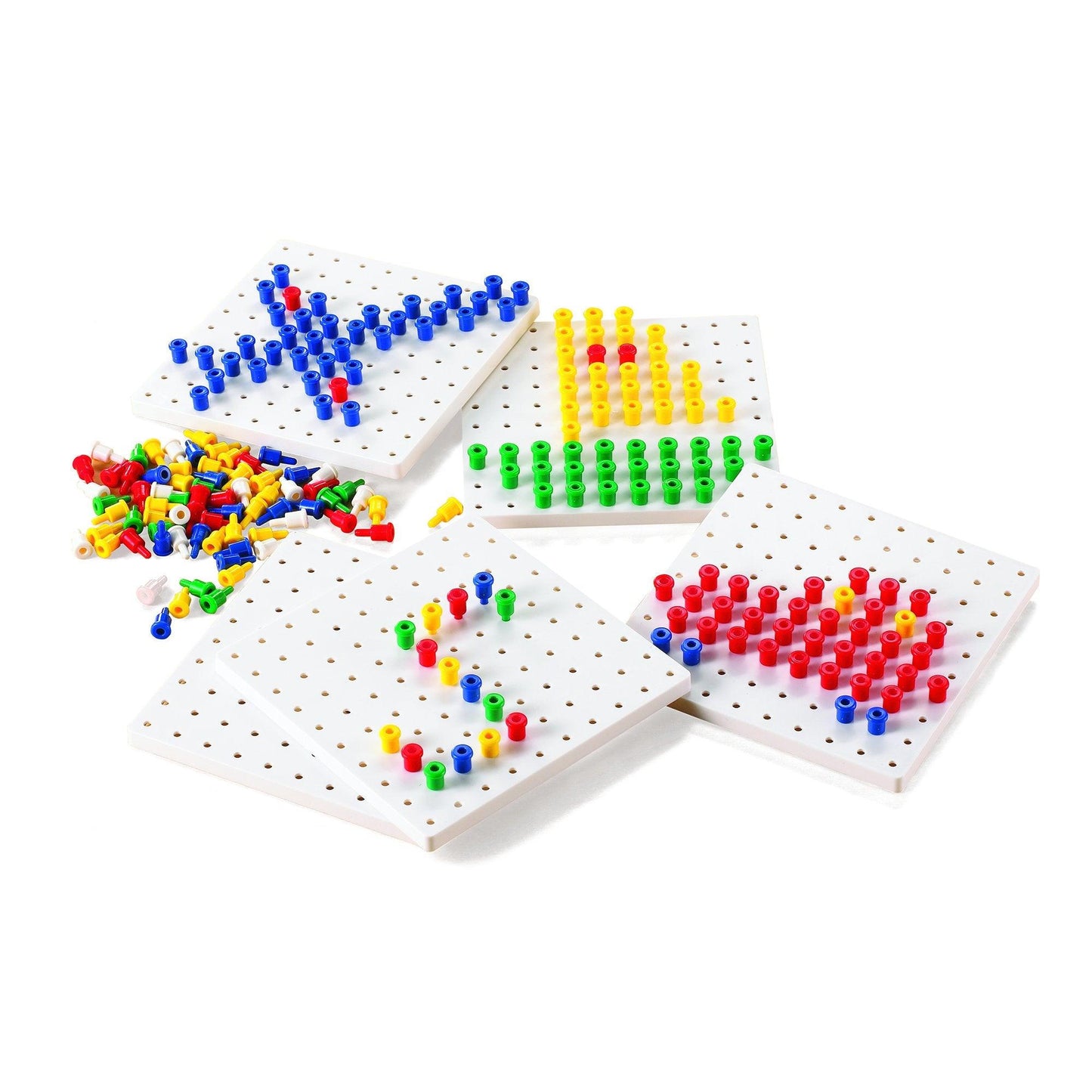
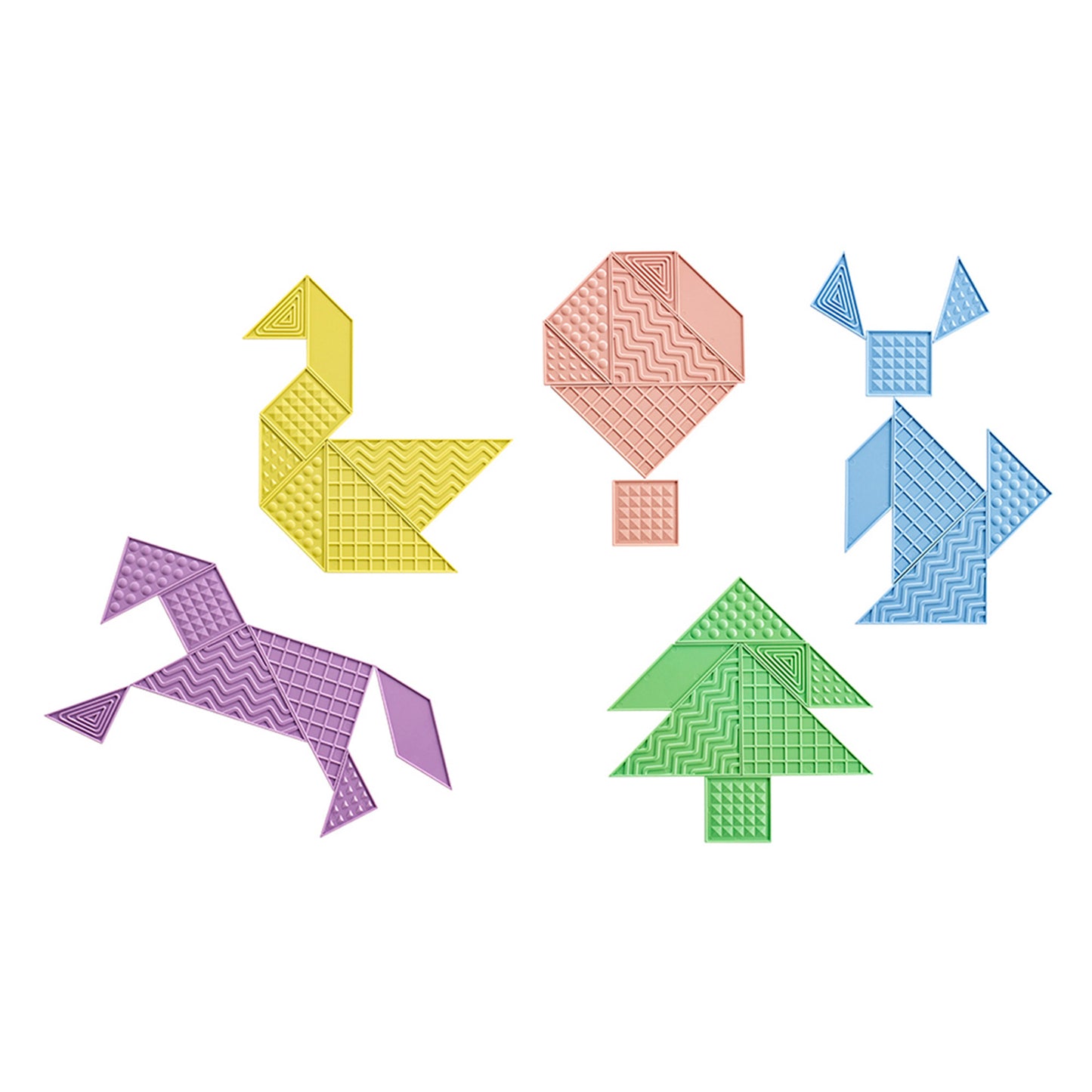
From 18 months: Green-n-Learn® Sensory Pattern Blocks (bigger textured shapes and 12 double-sided activity cards), the Translucent Sensory Tangram (35 pieces in 5 colours), Busy Play® Geo Pegs (9 pegs, a peg board and 15 activity cards) and the Geo Pegs Activity Set (144 pegs, 4 foam boards and 12 laces).
How can children build their own 2D and 3D shapes?
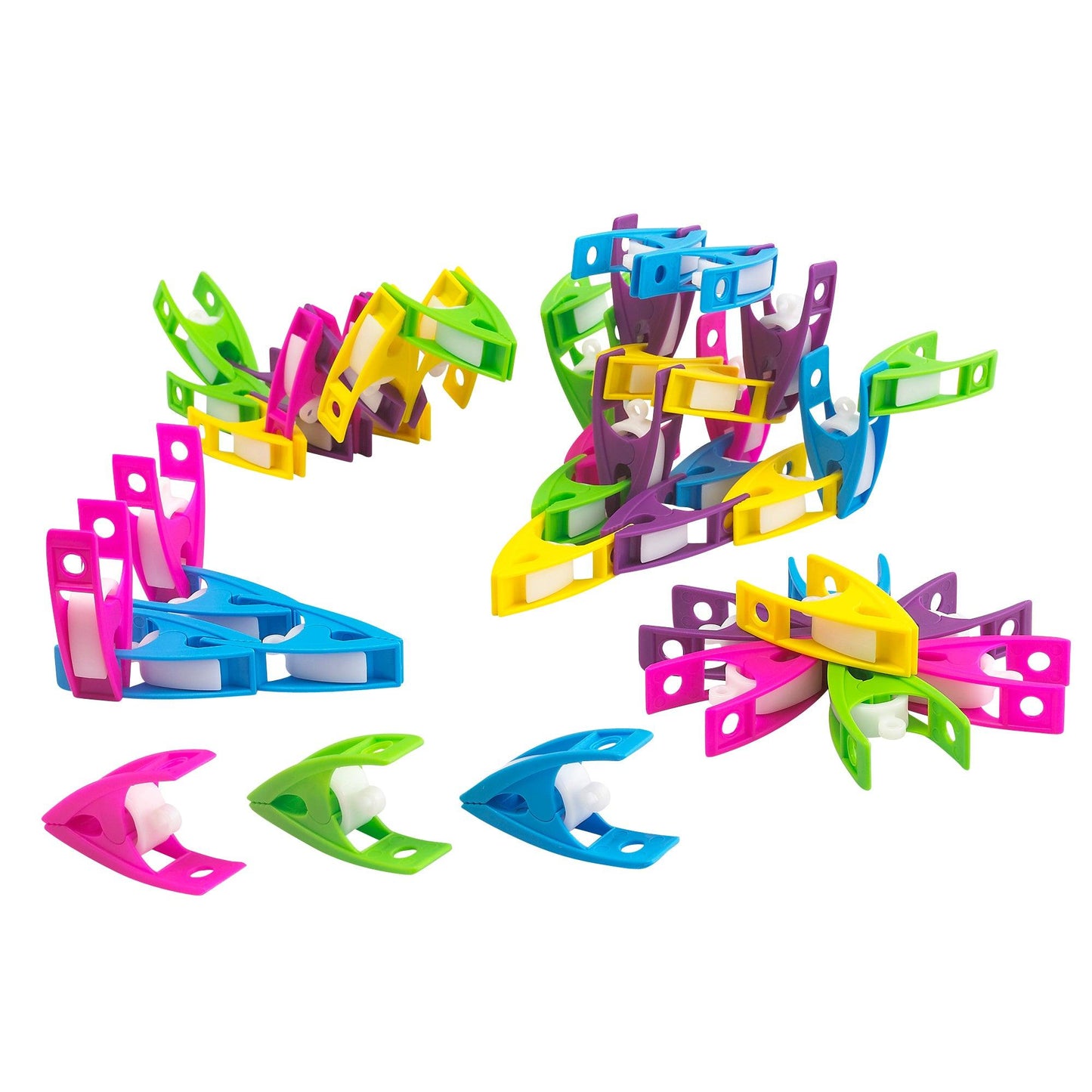
The Skeletal Starter Geo Set has 80 sticks, 40 connecting balls, 24 quarter circles and 20 double-sided activity cards, from 3 years. Junior GeoStix® have 80 straight sticks in 8 colour-coded lengths marked in cm, and Busy Play® GeoStix® has 45 flexible stix, including quarter and half circle pieces, with 15 activity cards.
What is a geoboard used for?
Children stretch elastic bands over the pins to make shapes and explore lines and angles. Geoboards and the larger Geoboard (9-inch) (23 x 23cm) each come as a set of 6 boards in 6 colours with 120 elastic bands, for ages 6 and up.
Which tangram set should I choose?
Translucent Sensory Tangram: 35 textured pieces, from 18 months
Busy Play® Tangram: 14 pieces and 15 activity cards for travel, from 3 years
Green-n-Learn® Sensory Tangram Classroom Set: 35 pieces and 15 activity cards, made from recycled plastic, from 3 years
How can children explore angles and symmetry?
The 2 transparent protractors in Junior GeoStix® snap onto the sticks to measure angles. Busy Play® Pentominoes (12 pieces and 15 activity cards, from 5 years) help children flip, slide, turn and tessellate shapes, and Translucent Pattern Blocks help children explore symmetry and area.
Is there a geometry kit for learning at home?
Yes. Our Early Maths 101 kits, designed by leading children's maths teacher and author Dr Paul Swan, are packed with hands-on activities:
Early Maths 101 To Go - Geometry Problem Solving level 1: ages 3 to 4
Early Maths 101 To Go - Geometry Problem Solving level 2: ages 4 to 5
Early Maths 101 To Go - Geometry Problem Solving level 3: 25 activities with Junior GeoStix®, a Geoboard and Attribute Blocks, ages 5 to 6